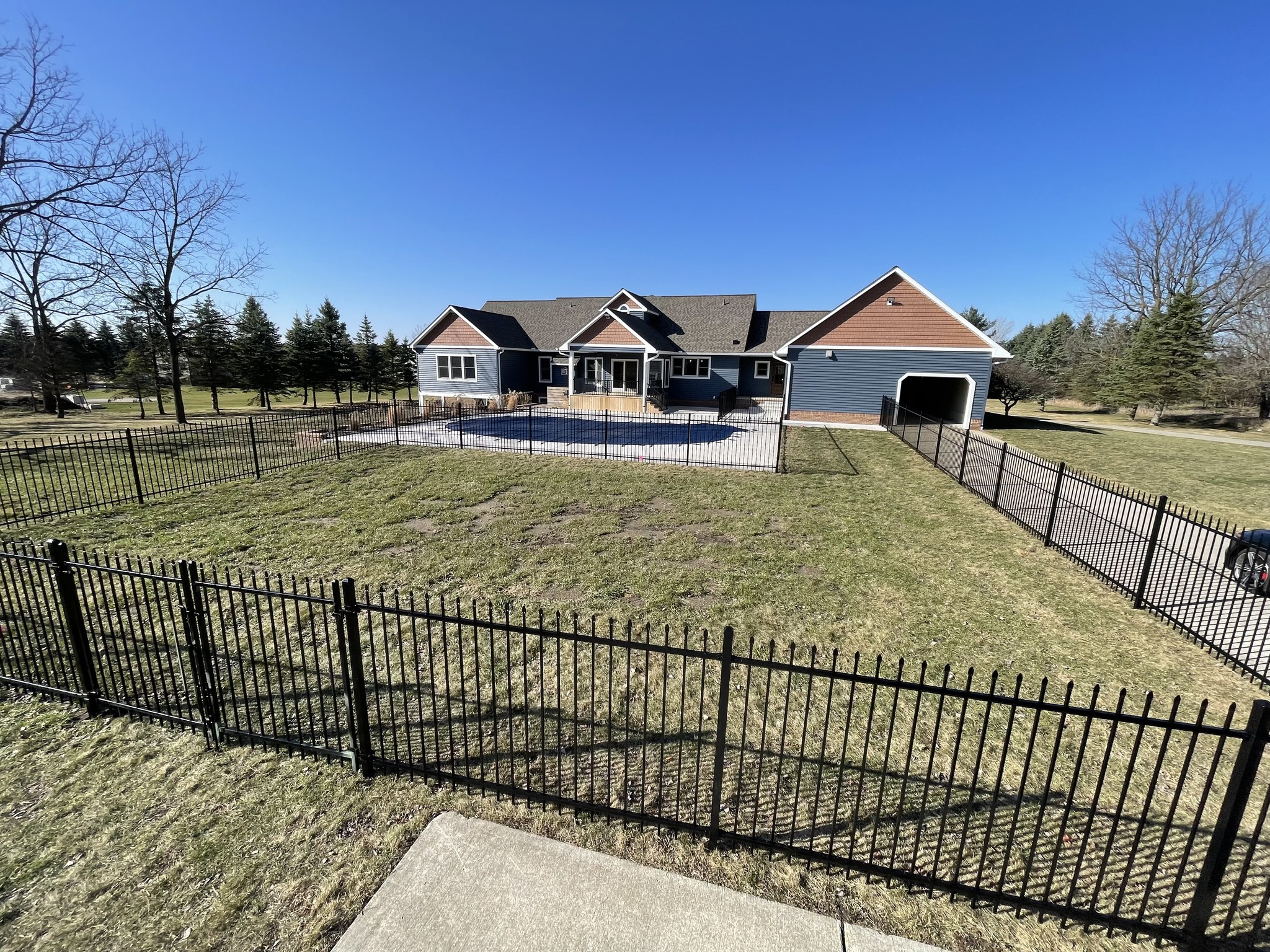
Revitalizing Your Old Fence: Cost-Effective Repair and Maintenance Strategies Jun 11, 2026
To begin with, it’s essential to assess the current condition of your fence. Conduct a thorough inspection to identify any visible damages such as rotten wood, rusting metals, or loose panels. Understanding the state of your fence helps prioritize repairs and allocate resources effectively. Look for signs of wear and tear, particularly in areas frequently exposed to elements like rain or direct sunlight.
One of the most cost-effective strategies is to replace or reinforce only the damaged sections rather than the entire fence. For wooden fences, this could mean swapping out rotting planks with new ones or utilizing wood fillers to patch up minor holes and cracks. Similarly, metal fences might require welding or replacement of rust-infested sections. By focusing on problem areas, you can extend the lifespan of your fence inexpensively.
Regular maintenance plays a pivotal role in preventing future issues. A straightforward yet crucial step is applying a protective finish. Wooden fences benefit immensely from sealants or stains which offer protection against moisture and UV rays. For metal fences, a fresh coat of paint can prevent rust and corrosion, enhancing durability. These protective measures not only improve the fence's appearance but also add an extra layer of defense against natural wear.
Cleaning your fence periodically is another simple yet effective maintenance routine. Removing debris, dirt, and mold growth helps maintain the integrity of the materials. Depending on the fence type, you might use a power washer or a scrub brush to clean it thoroughly. A clean fence not only looks better but is also less prone to premature decay.
In addition to these measures, inspecting and tightening connections and fasteners are also essential. Loose nails or screws can lead to structural instability. Ensure that all parts of the fence, from gates to panels, are securely attached to each other. Tightening and replacing fasteners as needed guarantees a stable and safe fence structure.
Another strategy includes upgrading to higher quality materials when repairing. Investing in durable components pays off over time as they typically require less frequent replacements and repairs. For instance, when replacing wooden planks or metal sections, consider materials treated to resist insects and weather-related deterioration.
Addressing the concerns of your property's soil and drainage can significantly influence your fence's health. Ensure that water doesn't pool around the base of the posts, which can lead to premature rotting or rusting. Proper landscaping or installing a drainage system can alleviate this issue.
In conclusion, revitalizing your old fence doesn't have to be an extravagant ordeal. By focusing on targeted repairs, regular maintenance, and enhanced protective measures, you can restore your fence's charm and function cost-effectively. With meticulous care and timely interventions, your fence will continue to serve its purpose, enhancing the safety and appearance of your property. At TMF Services, we are committed to helping you achieve these goals with expert advice and professional assistance tailored to your fencing needs.
/filters:no_upscale()/filters:format(webp)/media/d61079d6-4313-4e09-b6bf-85268219eafa.jpeg)